
Tour Overview





Tanigumi-san Kegon-ji Temple
Vow Fulfillment Tour
2 Nights, 3 days
11/23 (Sun) Labor Day
※Participation in rice-cake gathering event
11/24 (Mon) Substitute Holiday
11/25 (Tue)
Spot Infomation
Day 1
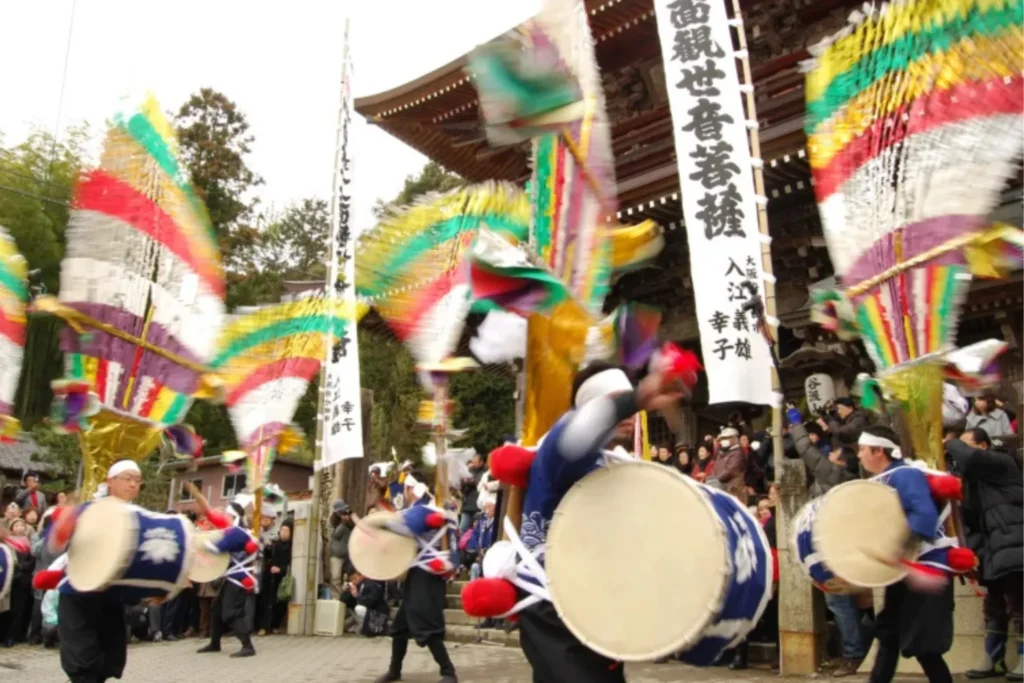
Tanigumi Dance
A traditional dance passed down for 800 years. In ancient times, it was performed to pray for victory in battle or for rain. Dancers embrace large drums against their chests and dance powerfully with bamboo wings attached to their backs. The sounds of drums and flutes resonate, creating a festive atmosphere where the entire village unites. It is designated as a cultural property of Gifu Prefecture.
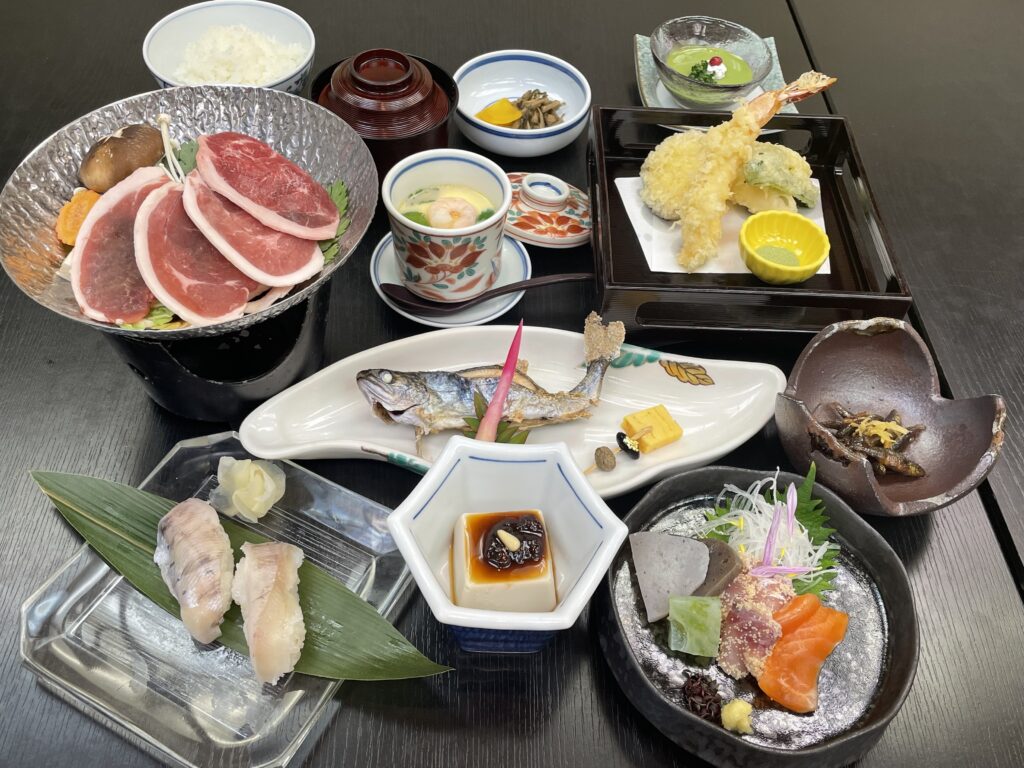
Matsumotoya
Established in 1868, this inn stands before the gates of Kegonji Temple on Mount Tanigumi. Enjoy a quiet, relaxing time while embracing the natural beauty of the seasons: spring cherry blossoms, summer greenery, autumn foliage, and winter snowscapes. This historic inn, where the spirit of warm hospitality endures, welcomes travelers with open arms.
Day 2
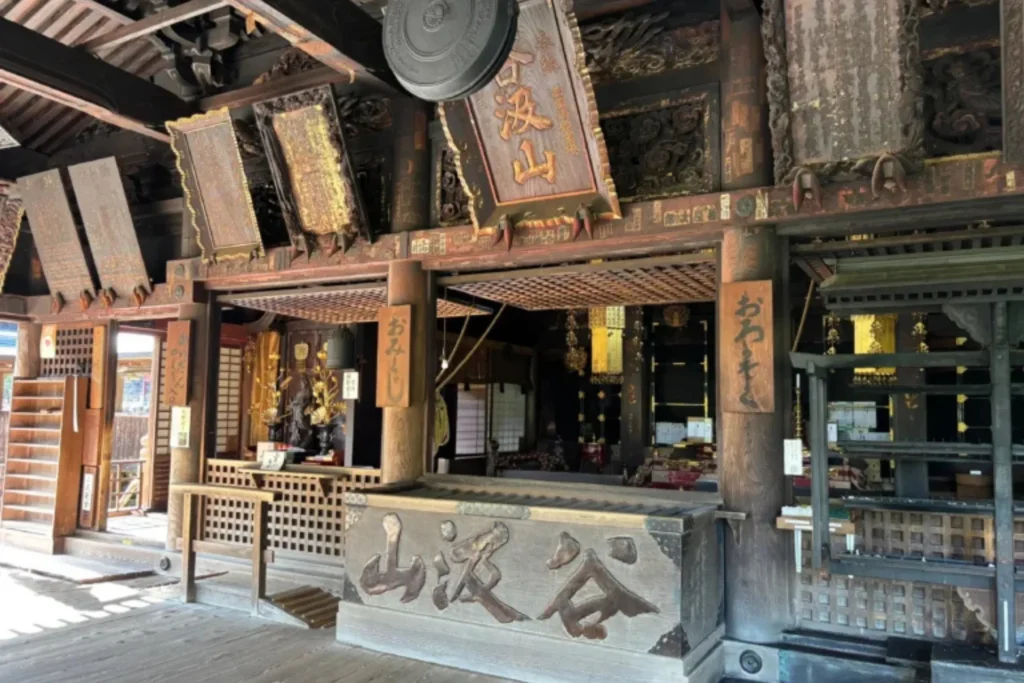
Kegonji Temple
Known as the final temple on the Saikoku Thirty-Three Kannon Pilgrimage. It is also a place for a “spiritual journey” to reflect on life. The Kannon Bodhisattva is said to transform into 33 forms to aid people. The natural beauty of the seasons, including cherry blossoms and autumn leaves, is stunning, offering peace and a time to calm the mind.
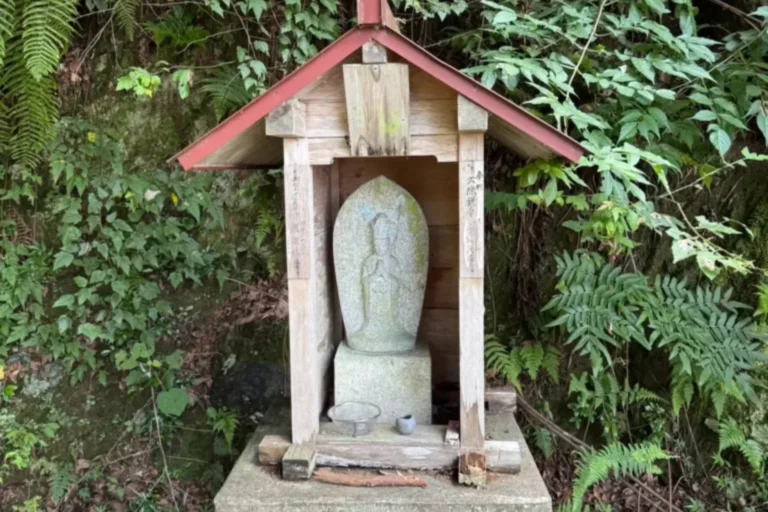
Okunoin (Inner Sanctuary)
A 40-minute walk along a mountain path from Kegonji leads to Okunoin, where the Eleven-Faced Kannon is enshrined. The path lined with small Kannon halls is very quiet, filled with the sounds of birds and a flowing river. Further up are the hall of Fudo Myo-o and Myohyo Cave, where it is said that using spring water to mix ink improves one’s calligraphy skills.

Tanigumi Arare no Sato
This is a store which sells crackers from Darumado Seika, a long-established maker in the area. Over 100 varieties of arare rice crackers, made with domestic glutinous rice and pure underground water, are on display in the store. Each is crisp, fragrant, and offers a quintessentially Japanese flavor. There is the opportunity to watch traditional cracker making up close and to purchase some of these popular snacks as souvenirs.
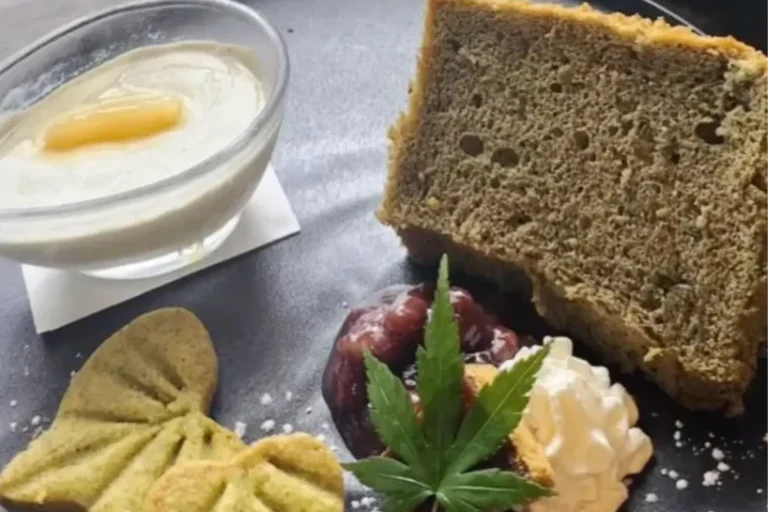
Cafe Donguri
A small cafe nestled in greenery. Enjoy handmade sweets like cakes and puddings made with local “Ibi Tea.” Large windows overlook a Japanese garden and river, revealing different seasonal vistas. You can relax in the tranquil atmosphere and be soothed by the scent of tea.

Yokokuraji Temple
An ancient temple said to have been founded by Saichō about 1,200 years ago. It houses many valuable cultural assets, including a statue of Yakushi Nyorai (Medicine Buddha) and the remains of the monk Myōshin Shōnin, who sacrificed his life during ascetic training. In autumn, 400 maple trees burst into vivid color, creating a stunning scene with the traditional red bridge and the majestic three-storied pagoda. It’s a peaceful place enriched in history.
Day3
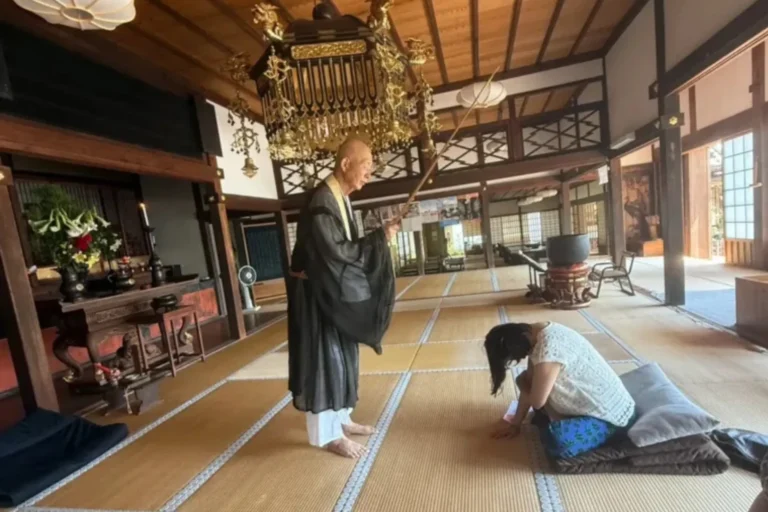
Zuiganji Temple
This history of this temple began approximately 1,300 years ago when the monk Gyoki enshrined a statue of Jizo Bosatsu here. Nestled in a quiet mountain valley, the temple grounds offer “Zazen meditation experiences” to calm the mind and body. Taking deep breaths to quiet your thoughts provides a healing moment, like resetting yourself.
The temple also houses valuable cultural assets, including statues of Jizo Bosatsu and Enku Buddha, allowing visitors to experience Japan’s spiritual culture.
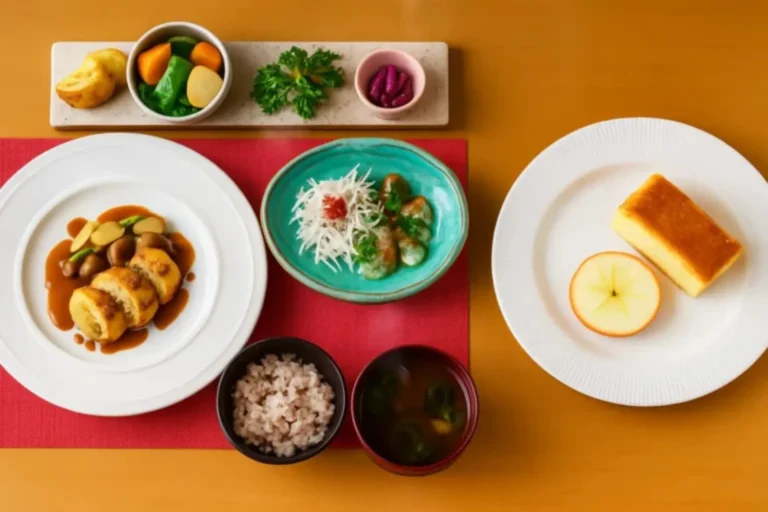
Herbal French Cuisine (Kasuga Morimori Village)
A special lunch experience in Kasuga, the village of medicinal herbs. Savor a gentle French course featuring local vegetables and herbs. Surrounded by autumn leaves, enjoy a moment to nourish your mind and body. The colors and aromas of the dishes are beautiful, like a feast in nature itself.

Tokoro Shuzo Brewery
A small sake brewery located upstream along the Ibigawa River. Their signature sake, “Boshimaya,” is designed to be enjoyed with food. Delicious served chilled or warm, it boasts a deep, complex flavor. At the brewery, you may discover unexpected food pairings, enjoy sake tasting and experience Japanese sake culture.